![Sell a House With Mold [market_city]](https://image-cdn.carrot.com/eyJidWNrZXQiOiJwcm9kdWN0aW9uLmNhcnJvdC11cGxvYWRzLm9uY2Fycm90LmNvbSIsImtleSI6InVwbG9hZHMvc2l0ZXMvNzc5OTIvMjAyNi8wNy9TZWxsLWEtSG91c2UtV2l0aC1Nb2xkLnBuZyIsImVkaXRzIjp7InJlc2l6ZSI6eyJ3aWR0aCI6MTE1Mn0sInRvRm9ybWF0Ijoid2VicCIsIndlYnAiOnsicXVhbGl0eSI6NzB9fX0=)

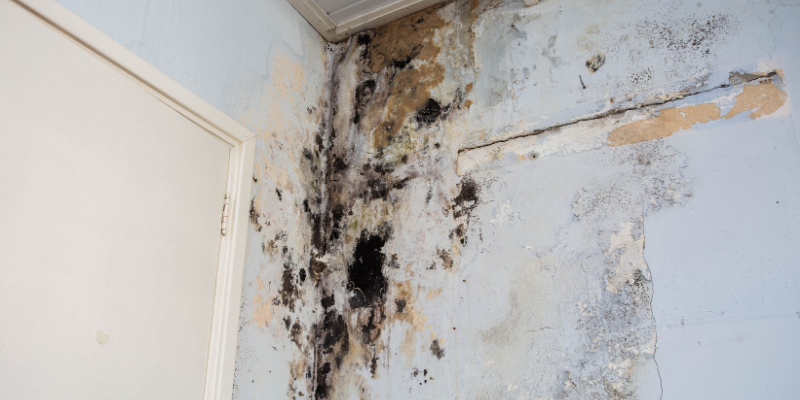
Selling a house with mold in Colorado usually starts the same way: you spend weeks dreading the mold conversation, then find out the buyer already knew. A mold inspection costs around $200 to $600 in Colorado, and buyers in a slower market will pay for one out of pocket before making an offer on any home that shows water staining, musty smells, or a history of moisture problems. By the time you’re sitting across the table from an inspector’s report, you’ve already lost the upper hand if you haven’t done your homework first.
Colorado Mold Disclosure: What Most Articles Leave Out
Colorado sellers have no dedicated state mold statute, unlike lead paint. What Colorado does have is a broadly written real property disclosure law that requires sellers to share any known material defects, and mold absolutely qualifies. The Colorado Real Estate Commission uses the Seller’s Property Disclosure form, which has an entire section devoted to moisture, water intrusion, and mold history. You fill it out under penalty of law, so there’s no treating that section as optional filler.
Some sellers read “no specific mold law” and decide they can stay quiet, which is why that distinction matters. Faulty reasoning like that gets people sued. Disclosure requirements don’t hinge on whether a mold-specific statute exists; they hinge on whether you knew about a material condition and stayed quiet. Staying quiet is not a loophole.
Here’s the twist most Western Slope sellers miss: our high-desert climate actually makes the problem sneakier, not rarer. People picture mold as a Pacific Northwest issue and assume the dry Grand Valley air protects them. But evaporative “swamp” coolers, which run in nearly every valley home all summer, pump moisture straight into living spaces and are a common hidden driver of ceiling and attic mold. Older homes in downtown Grand Junction, Clifton, and Orchard Mesa with crawl spaces, orchard-country properties in Palisade and Fruita near irrigation ditches, and homes along the Colorado and Gunnison River corridors all fight recurring moisture, especially every spring when snowmelt off the Grand Mesa and Bookcliffs works into foundations. Attic mold from inadequate ventilation is one of the most common findings on inspection reports across the region, and sellers are genuinely shocked every time (even after living there for decades).
One more thing most guides skip: a past insurance claim for water damage can flag your property to buyers even before the inspection. Insurers share claims data through industry databases, and a buyer’s agent who knows what they’re doing will pull that history. Proactive disclosure beats a buyer discovering it mid-transaction every single time.
If the mold is bad enough that a traditional listing feels out of reach, see how we buy houses as-is in Colorado before you spend a dollar on remediation.
What Are the Signs of Mold in Your Home?
A lot of sellers tell me they’d know if they had mold. Visible black or green patches on drywall, ceiling tiles, or grout are obvious, sure. But the ones that cost sellers the most money are invisible until a professional mold inspection tears back the surface, which means a buyer’s inspector often finds it before you do.
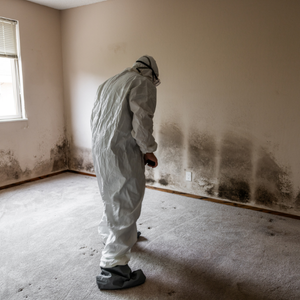
Musty odors that intensify in the basement or after rain are one of the first flags. Discoloration on drywall, bubbling or peeling paint, and warped wood floors all point to moisture that has likely already started feeding mold growth beneath the surface. Chronic condensation on windows, especially in basements or finished crawl spaces (I’ve seen it pooling on sill plates), is another early indicator that ventilation isn’t keeping up with humidity levels.
Black mold, technically called Stachybotrys chartarum, generates the most fear and the highest remediation bills. It grows where materials stay persistently wet, often behind walls near a slow pipe leak or under flooring after a washing machine overflow. Air quality testing can confirm spore counts even when nothing is visible, which is why a professional mold inspection before listing is money well spent. A clean report gives you a marketing asset, because buyers and their agents are asking about mold more than ever. A bad report at least hands you a real number to work with.
Watch your HVAC system and swamp cooler too. Mold spores travel through ductwork and can colonize air handlers and cooling pads, spreading contamination to rooms far from the original water source. A home with documented mold growth in the mechanical system will see offers dry up fast, because buyers financing with conventional loans often can’t get the sale underwritten.
What Does Mold Remediation Cost in Colorado?
Pricing for mold remediation is genuinely wide-ranging, and the reason contractors quote so differently is that it scales directly with square footage, access, and mold type.
| Scenario | Typical Cost Range | What Drives the Price |
|---|---|---|
| Small contained spot (single wall, crawl space) | $1,800 – $3,500 | Limited square footage, easy access |
| Moderate job (bathroom, finished basement area) | $3,500 – $9,500 | Larger area, drywall and flooring removal |
| Confirmed black mold (Stachybotrys) | +15% to 25% premium | Extra lab testing, specialized PPE, stricter clearance |
| Whole-house / structural penetration | $30,000+ | Multiple rooms, subfloor or framing damage |
| Mold inspection (certified hygienist) | $200 – $600 | Standard assessment, separate from any remediation quote |
For most residential jobs in Colorado, professional mold remediation runs between $1,800 and $9,500, with a national midpoint around $3,900. This is for a contained problem. If black mold is confirmed, expect a premium of roughly 15% to 25% above the base cost due to additional lab testing, specialized protective equipment, and stricter clearance criteria. A whole-house situation with a structural penetration can push past $30,000, and I’ve seen that number surprise sellers who assumed it was something minor.
Last fall, the Kim family in Redlands called me after a contractor quoted $22,000 to remediate mold behind the cabinets and under the subfloor. They’d been sitting on the estimate for 3 weeks, paralyzed. We bought the house as-is; they avoided the project entirely, and both of us left the closing table satisfied (subfloor mold tends to spook everyone involved).
Here’s what that illustrates: the math on remediation only pencils out when the post-repair value is meaningfully higher than the cost of the work plus carrying costs. A small spot treatment in a crawl space is a reasonable investment. A whole-floor tear-out in a home already priced at the lower end of the market often isn’t.
Colorado’s Mountain West location keeps labor costs lower than you’d pay on the Gulf Coast or in the Pacific Northwest. A mold inspection from a certified industrial hygienist in Grand Junction or Montrose typically runs $200 to $600 for a standard assessment, separate from any remediation quote.
What Is Your Colorado Home Worth with or Without Mold?
Buyers don’t just subtract the cost of mold removal from a clean-home price. They factor in the risk premium, the hassle of managing contractors, the fear of hidden damage beyond scope, and the financing complications mold can trigger. Conventional lenders and FHA or VA loan programs routinely require mold remediation to be completed before closing, which eliminates a large share of potential buyers before you’ve even collected an offer.
In a market where homes in the Grand Junction area were selling in roughly 33 to 42 days through spring 2026 and a longer time on market correlates directly with sellers conceding more from their original list price, a home with an open mold issue can sit far longer. Every week it sits, carrying costs are quietly draining your margin.
A well-documented, fully remediated property with a clearance letter from a certified contractor recovers most of its value. An unremediated property sold through a traditional listing gets discounted well beyond the bare repair bill. Depending on severity, active or widespread mold can pull anywhere from 10% to 30% off a home’s value, because buyers price in uncertainty, financing risk, and their inspector’s worst-case estimate, not just the remediation quote.
Selling as-is to a cash buyer removes all financing obstacles. No lender involved means the mold condition doesn’t become a condition for loan approval. For sellers who don’t want to manage a remediation project before listing, the trade-off of a lower sale price can be worth it, as the speed and certainty often outweigh the spread.
What Are Colorado’s Mold Disclosure Laws and Regulations?
A seller in Delta called me last summer after her sale fell apart on the final day before closing. Buyers had done their own air quality testing and found elevated spore counts in the master bedroom. She hadn’t disclosed water damage from a roof leak 2 years prior because she thought her insurance claim and subsequent repair had resolved it (insurance paperwork isn’t the same as a clean bill of health). It hadn’t, and now she was staring at a dead transaction and a potential lawsuit.
Colorado law requires sellers to disclose any known material defects through the Seller’s Property Disclosure form published by the Colorado Real Estate Commission. Mold is addressed directly under the moisture and water section. The operative word is “known.” You’re not required to hire an inspector before listing, but anything you do know, you must disclose.
Sellers sometimes try to argue they didn’t “know” about mold because they never had it formally tested. Courts and mediators in Colorado have consistently found that visible water staining, a history of leaks, or documented insurance claims constitute knowledge of conditions that could reasonably produce mold. Plausible deniability evaporates fast when records exist.
Colorado also follows the Colorado Consumer Protection Act, which prohibits deceptive trade practices in real estate transactions. A deliberate failure to disclose a known health-related defect doesn’t just expose you to a buyer lawsuit; it can involve state regulatory action against a licensed broker and potentially the seller personally.
What Must Sellers Disclose About Mold to Buyers in Colorado?
The Seller’s Property Disclosure asks specifically about water intrusion, leaks, flooding, moisture problems, and mold. Sellers must answer honestly about current conditions and known history. Past leaks matter even if you repaired them. Mold remediation you paid for 2 years ago still goes on the form, because the buyer deserves to know what the house has been through. Any insurance claims related to water damage should be included in the disclosure.

Disclosure covers more than just visible mold. Conditions that create the environment for mold growth are all fair game if you’re aware of them: chronic humidity, poor ventilation in crawl spaces, and inadequate bathroom exhaust. A buyer who later develops respiratory health problems and traces them to undisclosed mold growth has a very strong legal claim.
Transparency is your protection here, not just your obligation. Sellers who disclose fully and document their remediation work almost never end up in litigation. The ones who get sued are almost always the ones who stayed quiet about something they knew, and that’s a pattern I’ve seen hold up across every market condition I’ve worked in.
For sellers working with a real estate agent, Colorado brokers have an independent duty to disclose adverse material facts they observe or know. So even if a seller omits something, the agent’s legal exposure can still push disclosure to happen, a protection for sellers too, not just a compliance burden.
What Happens If You Fail to Disclose Mold When Selling in Colorado?
Buyers who discover undisclosed mold after closing can sue for rescission of the sale, meaning they can attempt to unwind the entire transaction. More commonly, they sue for the cost of remediation plus damages for health effects or loss of use of the property. Colorado courts take these cases seriously, and buyers tend to win because the evidence trail is easier to build than sellers expect (inspection reports, contractor invoices, and text messages).
Beyond civil liability, a seller who misrepresents the property’s condition on the SPD can face Colorado Real Estate Commission sanctions if a licensed broker was involved.
Title insurance does not protect sellers from fraudulent nondisclosure claims. That’s a misconception I hear regularly. Title insurance covers defects in the ownership history, not misrepresentation by the seller in the current transaction.
The cost of legal action in Colorado can run into the tens of thousands of dollars before you ever see a courtroom. Even cases that settle out of court routinely cost sellers tens of thousands in attorney fees and settlement amounts, and if the buyer prevails, they can recover their own legal fees on top of remediation costs and damages, almost always more than the remediation would have cost in the first place. Full disclosure is cheaper than fighting.
How to Work with a Real Estate Agent and Attorney on Mold Disclosure
A seller in Fruita came to me after two previous contracts fell apart when buyers walked during the inspection period. Both times, attic mold was cited. But she had real equity to protect and time to work with, so a cash sale wasn’t her best move, and I told her so. Instead, she had a certified remediation contractor treat the attic, documented everything with a clearance letter, and disclosed the full history upfront. The third time around, she listed on the open market and closed with a financed buyer near her asking price. Remediating and listing retail was exactly right for her situation, which is worth saying plainly: a cash sale isn’t the answer for everyone, and a good agent will tell you when it isn’t.
A real estate agent experienced with distressed properties can help you frame the disclosure accurately without overselling or underselling the problem. An agent who has navigated mold disclosures before knows how to present a remediation certificate and clearance letter in a way that restores buyer confidence rather than amplifying fear.
An attorney’s role is different and frequently goes underutilized. A Colorado real estate attorney can review your SPD before it goes to buyers to confirm you’ve addressed every relevant condition. That review costs a few hundred dollars and creates a clear record that you took the disclosure obligation seriously.
For sellers whose properties have mold issues that complicate conventional financing, the agent’s job shifts to targeting cash buyers who can close without lender-required conditions. At New Hope Properties we specialize in buying properties in exactly these situations, which can simplify the transaction considerably for sellers who want to skip the remediation project and financing uncertainty altogether.
How to Sell a House with Mold in Colorado
Sellers leave $10,000 to $30,000 in unrealized home equity on the table when they panic-price a mold-affected home without first understanding their real options.
There are four realistic paths:
- Remediate before listing. You recover most of your market value, but you invest time and money upfront.
- Price below market and disclose fully. Let a retail buyer negotiate knowing they’ll handle the work after closing.
- Sell as-is to a cash buyer. No financing approval is required, and the mold condition never becomes a loan condition.
- List with an agent who markets distressed properties. Target investor buyers directly.
The mistake most sellers make is deciding before getting any numbers that they have to gut-price the property. Get a mold inspection quote, get a remediation estimate, and run the math before you make that call.
Carlos Salinas reached out about a townhouse he’d held in Clifton for 4 years and never wanted in the first place. He’d inherited it after a family situation and spent those 4 years chasing rent from tenants who left mold growing in the bathroom and laundry room on a wall shared with an exterior that had never been properly waterproofed. The garage was still full of the last tenant’s belongings when he called me. We closed within 3 weeks. Selling as-is to a cash buyer got him out cleanly.
Through our We Buy Houses in Colorado program, we buy houses in this condition across the Western Slope, from Grand Junction and the greater Grand Valley out to Clifton, Palisade, and Delta, and up through the Roaring Fork Valley to Glenwood Springs and Carbondale. Sellers looking for cash home buyers in Fruita or we buy houses in Montrose can start on those pages. As local cash house buyers in Grand Junction, Colorado, we require no repairs, no remediation projects to manage, and no waiting for lender approvals that might fall through due to mold findings.
For sellers who want to list on the open market, a few practical steps can protect your position. Get a certified mold inspection before listing so you control the narrative. Obtain a remediation estimate even if you don’t plan to do the work, because buyers will ask, and having a real number signals transparency. Complete the SPD form thoroughly, and have your agent and, if applicable, a real estate attorney review it. Price the home honestly to reflect its condition, rather than starting high and watching contracts fall apart.
Colorado’s CDPHE doesn’t regulate mold in private homes; it points residents to the EPA’s “A Brief Guide to Mold, Moisture and Your Home“ and to local health agencies like Mesa County Public Health. That guide and the CDC’s mold health information are both worth reviewing for the health-risk and remediation-standard questions buyers may raise.
Frequently Asked Questions
Do You Have to Disclose Mold Remediation When Selling a House in Colorado?
Yes, past mold remediation is a material fact that should be included on your seller’s property disclosure form. Colorado’s disclosure law covers both current conditions and known history, so a remediation you completed 2 or 3 years ago must still be disclosed. Providing the documentation, your contractor’s scope of work, and a clearance letter actually strengthens your position rather than hurting it because it shows you handled the problem responsibly.
Is It Hard to Sell a House with Mold?
A home with active, undisclosed mold is genuinely difficult to sell through a traditional listing because conventional financing won’t close with an unresolved mold finding. A home where mold has been fully remediated and documented sells much closer to market value, and the clearance letter actually becomes a selling point. If you’re selling as-is without remediation, your pool of buyers shifts to cash buyers and investors, which is a smaller pool but not an impossible one.
Does Mold Devalue a House?
Mold devalues a home beyond just the cost of removal. Buyers face uncertainty, financing complications, and health concerns on top of the remediation estimate, which is why unremediated homes tend to sell at discounts that exceed the actual repair cost. A fully remediated and documented property recovers most of its value, sometimes all of it, depending on how well the work was done and how clearly it was communicated to buyers.
Does a Realtor Have to Disclose If a House Has Mold?
A licensed Colorado real estate broker has an independent legal duty to disclose adverse material facts they know or observe, including mold. This obligation exists even if the seller hasn’t told them about it. Buyers who see a broker’s name on a transaction can hold that broker responsible for material omissions, which is why experienced agents in Colorado will push sellers to complete the disclosure form fully rather than leaving any blanks.
If you’re sitting on a property with a mold problem and aren’t sure which path makes the most sense for your situation, reach out to us. No obligation, no pressure, just a straight conversation about your options and what your home is worth in its current condition.
Helpful Colorado Blog Articles
- How to Sell a House By Owner in Colorado
- How to Sell a House During a Divorce in Colorado
- Can You Sell a House With a Mortgage in Colorado
- How to Sell Rental Property in Colorado
- How Much Does It Cost to Sell a House in Colorado
- Selling a House With Mold in Colorado
- Can a Jointly Owned Property Be Sold by One Owner in Colorado
- How Long Should You Live in a House Before Selling It
- Sell House With Water Damage in Colorado
- How Long Does It Take to Force the Sale of Property in Colorado?
- Can You Sell a House With a Lien in Colorado
- Can You Sell a House in Foreclosure in Colorado